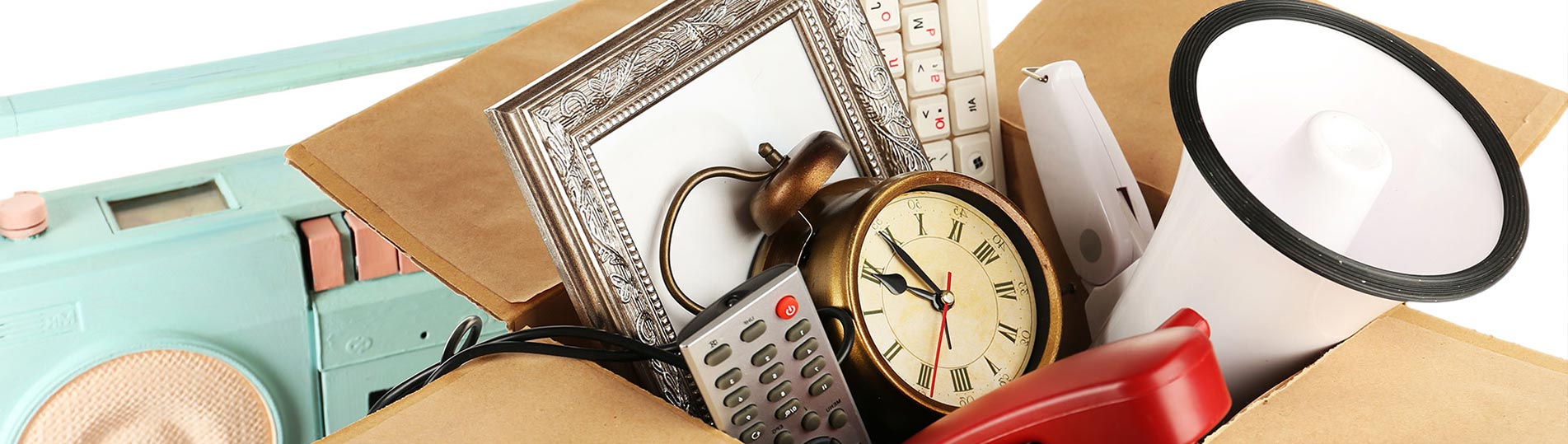
Rubbish Clearance in Kingston for homes, businesses and builders
Rubbish Clearance Kingston provides practical rubbish clearance in Kingston, with waste removal arranged for domestic properties, workplaces and building projects. The service is designed for customers who need unwanted items taken away without turning the job into a long disruption. From single bulky pieces to mixed loads, the focus is on collecting the waste, sorting it sensibly and leaving the space ready for its next use.
We handle a broad range of clearances, including household rubbish, garden waste, office items and builders' debris, so the service can be matched to the kind of load that needs removing. That can mean a straightforward one-off collection or a more involved clearance where different materials have been gathered in one place. If you are comparing options, the aim is to give a clear picture of what is being removed and how the job is approached.
For a useful next step, think about the type of waste, where it is stored and whether anything needs to be separated before collection. That makes the arrangement clearer and helps keep the work efficient. If you are ready to move on, ask for a quotation and describe the items as plainly as you can.
House clearance and household waste removal
House clearance in Kingston often involves a mixture of furniture, general rubbish, bric-a-brac and bagged waste. A useful clearance service needs to deal with those items carefully, because a household load can include both reusable and disposable materials. We clear contents from rooms, loft areas, garages and other storage spaces where items have built up over time, and we handle the load as a practical waste collection rather than a generic tidy-up.
When you are planning a house clearance, it helps to separate the items you want removed from anything you intend to keep. Useful information usually includes access to the property, whether the waste is upstairs or ground level, and whether there are awkward items such as wardrobes, mattresses or broken appliances. Clear instructions save time on the day, and they also make it easier to tailor the quotation to the actual work involved.
Builders waste disposal and renovation debris
Builders waste disposal in Kingston covers the removal of debris created by refurbishment, repair and light construction work. Common examples include rubble, timber offcuts, packaging, plasterboard, old fixtures and broken fittings. The aim is to remove the waste in a way that suits the site layout and the stage of the project, whether the material is gathered after a room strip-out or left in manageable piles at the end of a job.
Different building waste streams can need different handling, so it is useful to be clear about the materials involved. Heavy rubble, mixed renovation waste and cleaner loads of packaging are not always approached in the same way. If the project includes access restrictions, shared entrances or limited parking, those details matter because they can affect how the clearance is organised and the time needed to complete it safely.

Choosing the right clearance for the load
Garden waste removal and outdoor clearances
Garden waste removal in Kingston is useful after pruning, landscaping or seasonal maintenance, especially when branches, soil, turf, hedge cuttings and broken outdoor items have built up in one place. The work can range from a few sacks of green waste to a fuller clearance of a shed, corner of the garden or side passage. Keeping the load separate from household rubbish helps create a more accurate and practical arrangement.
Outdoor clearances are often easier to organise when the items are grouped by type. For example, loose green waste, heavy planters, old fencing and general rubbish can all require a slightly different approach. If there are narrow paths, gates or steps, that is worth mentioning at the outset so the collection can be planned with the access in mind. Good access details help make the removal more straightforward.
When the space needs a tidy reset, it is sensible to ask for a quotation and describe the size of the pile rather than trying to estimate it by eye. A brief list of the main materials is often enough to start the conversation, especially if the waste has been left in more than one area of the garden.
Office clearance and commercial rubbish removal
Office clearance in Kingston usually involves desks, chairs, filing items, shelving, packaging and general workplace waste. It may also include equipment that is no longer needed after a move, refurbishment or change of layout. A proper office clearance keeps the process orderly, with attention given to removing items without creating avoidable disruption for the rest of the premises.
For commercial rubbish removal, the most useful information is often the mix of materials, the floor level, and whether there are building rules or time limits that affect collection. Some offices have storage rooms packed with old furniture, while others only need a small group of surplus items removed. Either way, a sensible waste plan starts with the actual contents rather than a broad estimate of the whole office.
If you want to keep things simple, prepare a short note of what is going, where it is located and whether the waste is ready at the entrance or still in use. Then request a quotation based on the real load, so the collection can be matched to the job rather than guessed in advance.
Waste removal options for mixed loads
Not every job fits neatly into one category, so waste removal in Kingston is often about handling mixed loads in a practical way. Some customers need old furniture, general household rubbish and a few garden items removed together. Others have a small clearance from several parts of one property. A flexible service matters because mixed waste can be awkward to sort through without a clear plan.
The most effective approach is to identify which items are definitely going, which need special care, and which should be kept aside. That helps with the overall scope and avoids confusion when more than one room or storage area is involved. It also gives a clearer sense of how much labour and vehicle space the job is likely to require, which is useful when the quotation is prepared.
Typical mixed loads may include soft furnishings, bagged rubbish, broken household items and a small amount of building or garden waste. If a room contains several categories together, there is no need to overcomplicate the enquiry; a straightforward description of the items and access is usually enough to begin.
About Kingston
Kingston upon Thames is a historic town in southwest London, situated on the River Thames and long associated with royal and civic history. The town centre combines older streets, retail development and riverside stretches, while the wider area includes residential roads, parks and a mix of commercial uses. Kingston's name is linked to the historic coronation tradition of Anglo-Saxon kings, and that connection still shapes its identity as a place with deep historical roots. The town's relationship with the river is one of its defining features, from the riverside walk to the bridge crossings and waterside open space. Canbury Gardens provides a large parkland area close to the Thames, while Richmond Park and Bushy Park lie within easy reach of the wider borough. Kingston Museum records local history and culture, and the Rose Theatre is a modern landmark on the riverside, adding to the area's blend of heritage and contemporary life. Kingston railway station, the surrounding shopping streets and the University area all contribute to a centre that is active through the day. Architectural variety is also part of Kingston's character, with historic buildings sitting alongside later redevelopment, and with neighbourhoods ranging from the town centre to quieter suburban streets. The result is a place that feels both established and changing, with a strong connection to the river, the market town past and the everyday life of southwest London.
Pricing and quote preparation
When people ask about the price of rubbish clearance in Kingston, the main factor is usually the volume and type of waste rather than a simple one-size-fits-all figure. Heavy materials, bulky furniture, mixed rubbish and awkward access can all affect the work involved. Clear quotations are easier to prepare when the load is described honestly and in enough detail to reflect what actually needs removing.
A sensible quotation process usually depends on a few practical points: the amount of waste, the category of items, how easy they are to reach, and whether the job is a single collection or a broader clearance. If there are photographs or a written list, they can help describe the job more accurately, but the most important thing is a plain explanation of the items and the setting. That makes it easier to assess the work without overcomplicating the enquiry.
For customers who want to compare options, it helps to ask for a quotation once the main waste is grouped together. Then you can decide whether the collection suits the timeline and the type of clearance you need. If you already know the service you require, you can move straight to the request stage and keep the process concise.
Responsible sorting and disposal
Rubbish clearance is not only about loading items away; it also depends on what happens after collection. A well-organised waste service should separate different materials where that is practical, especially when the load includes recyclable items, reusable furniture or mixed household and commercial waste. That makes the overall process more considered and helps avoid treating every job as if it were identical.
Some clearances contain items that need extra care because they are heavy, fragile or awkward to move. Others include cleaner materials that can be grouped more easily. The important point is that the waste is assessed as it is, not as an imagined standard load. If you know that part of the job includes things that may need special handling, it is worth mentioning from the start so the clearance can be organised around the real conditions.
Practical preparation before a collection
Why local rubbish clearance customers choose a simple process
Many customers prefer a straightforward process because rubbish clearance often happens during a move, a refurbishment or a general reset of a property. A simple arrangement keeps the focus on the work itself: identifying the waste, deciding what goes, and arranging a collection that suits the load. That approach is especially useful when several categories of waste are involved and the job needs to be handled in a sensible order.
If you are arranging clearance for a home, office or outdoor space, it helps to keep the request specific rather than vague. Include the type of waste, the location of the items and any access issue that might affect the collection. Short, clear details are usually enough for a practical quotation, and they also make it easier to understand whether the job is a small collection or a fuller clearance.
To get started, you can ask for a quotation and describe the waste in plain terms. If you already know which items are staying and which are going, mention that as well. The more direct the description, the easier it is to match the removal to the task without unnecessary back and forth.
Service areas and enquiry options
Rubbish Clearance Kingston covers the main kinds of waste removal that customers commonly need around homes, businesses and renovation projects in Kingston. The service is built around clear communication, practical loading and a focus on removing the correct items rather than overcomplicating the job. If the waste is bulky, mixed or gathered from more than one part of a property, that can all be taken into account when the work is arranged.
For the clearest result, use the enquiry to set out the job in a simple way: what needs removing, where it is located, and whether access is straightforward or restricted. If you are ready to move ahead, request a quotation through our contact page. For broader service details first, you can also review the services overview or read more about pricing and quotes.
Whether the job is a household clearance, garden waste collection, office removal or builders debris, the aim is to keep the process clear and workable. If you want to move forward, send the main details and ask for a quotation today.


 Tipper Van - Rubbish Clearance and Waste Removal Prices in Kingston, KT1
 Luton Van - Rubbish Clearance and Waste Removal Prices in Kingston, KT1